Missed-Call Text Back for Contractors: How It Works and What to Say
How missed-call text back works, why it wins jobs for busy contractors, message templates you can adapt, and the setup details that keep it compliant.
Updated · 9 min read
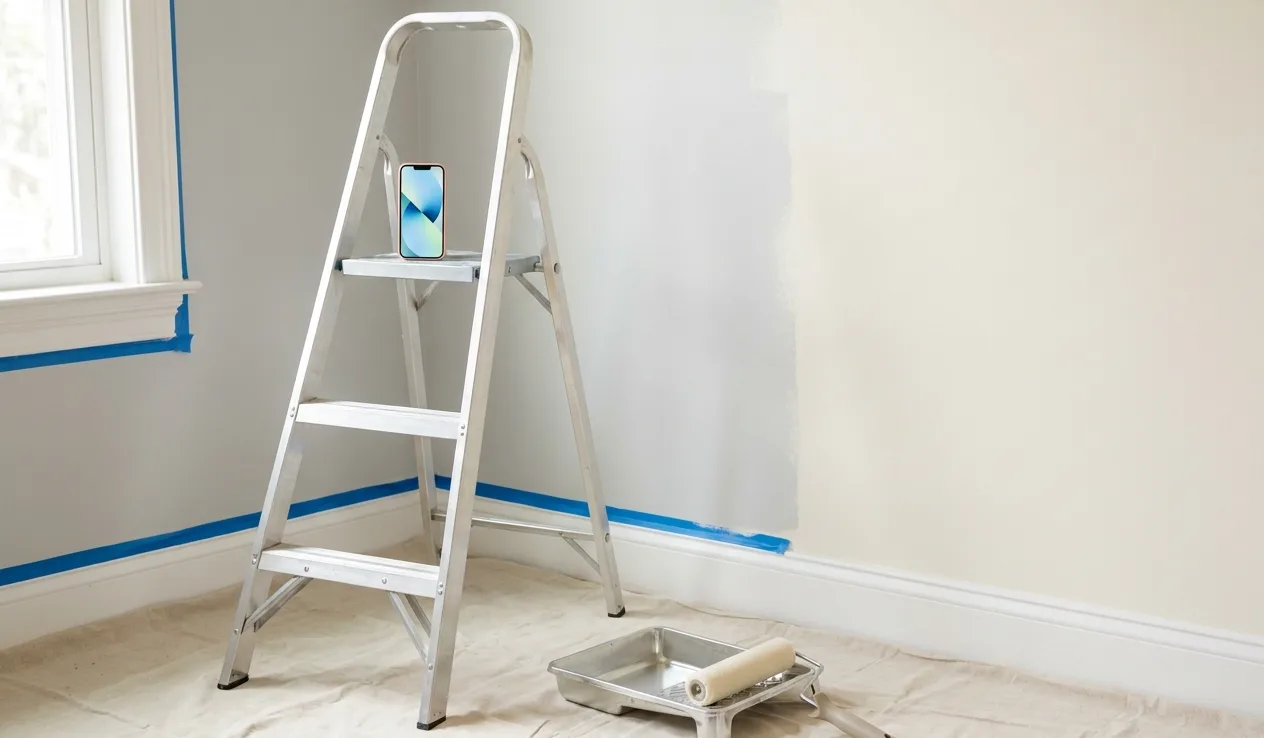
Every contractor knows the feeling. You are up a ladder, under a sink or halfway through a panel change when the phone buzzes in your pocket, and by the time you can look at it the caller has hung up. Maybe they left a voicemail. More often they did not, because they were already dialing the next company on the list.
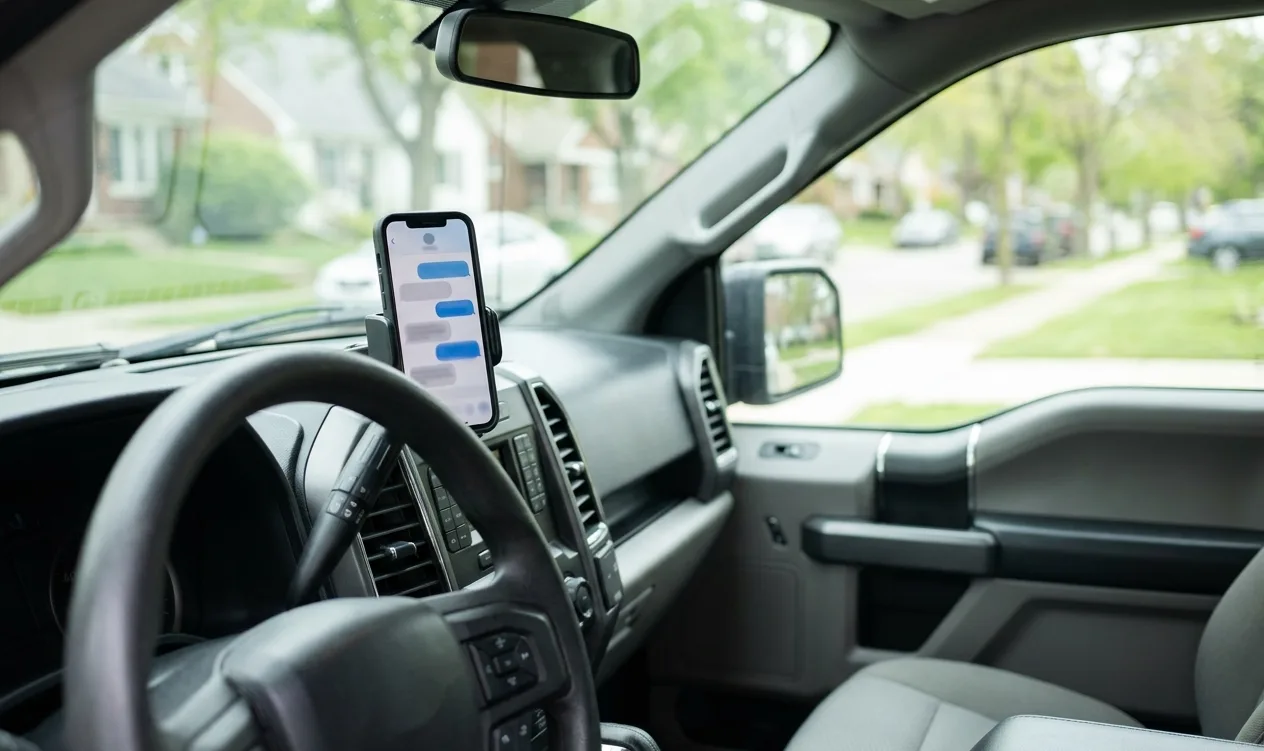
Missed-call text back is a small piece of automation that fixes that moment. When a call to your business number goes unanswered, the caller automatically receives a text from that same number within seconds, and the conversation carries on by message until you can call back. It is one of the simplest things a CRM can do, and for busy trades it is often the one that pays for everything else.
How missed-call text back works
- A customer calls your business number.
- The call rings through to you (and anyone else you have set up) as normal.
- If nobody answers within the set number of rings, the system detects the missed call.
- It sends the caller a text message from your business number, usually within a minute.
- Their reply lands in your CRM’s inbox, attached to their contact record, so whoever is free can respond.
The key requirement is that the calls come in on a number your CRM can see. That usually means a business line provided through the CRM or connected to it, rather than your personal mobile number.
Why it wins jobs
Home service searches are often urgent, and homeowners commonly contact more than one company. A text that arrives while they are still holding the phone does three things at once: it tells them a real business received the call, it gives them an easy way to describe the problem without waiting on hold, and it makes them less likely to keep dialing. Many people would also simply rather text than talk, especially during the working day.
It also helps you. A written description of the problem, a few photos sent back by the customer and their address in the thread mean the callback is shorter and you arrive better prepared.
Message templates you can adapt
Keep it short, sound like a person, and ask one easy question. Use your real name if you are an owner-operator; customers respond to people, not departments.
General service business
Hi, this is Dana at Ridgeline Electric. Sorry I missed your call, I’m with a customer. What can I help you with? I’ll call you back as soon as I’m free.
Emergency-heavy trades
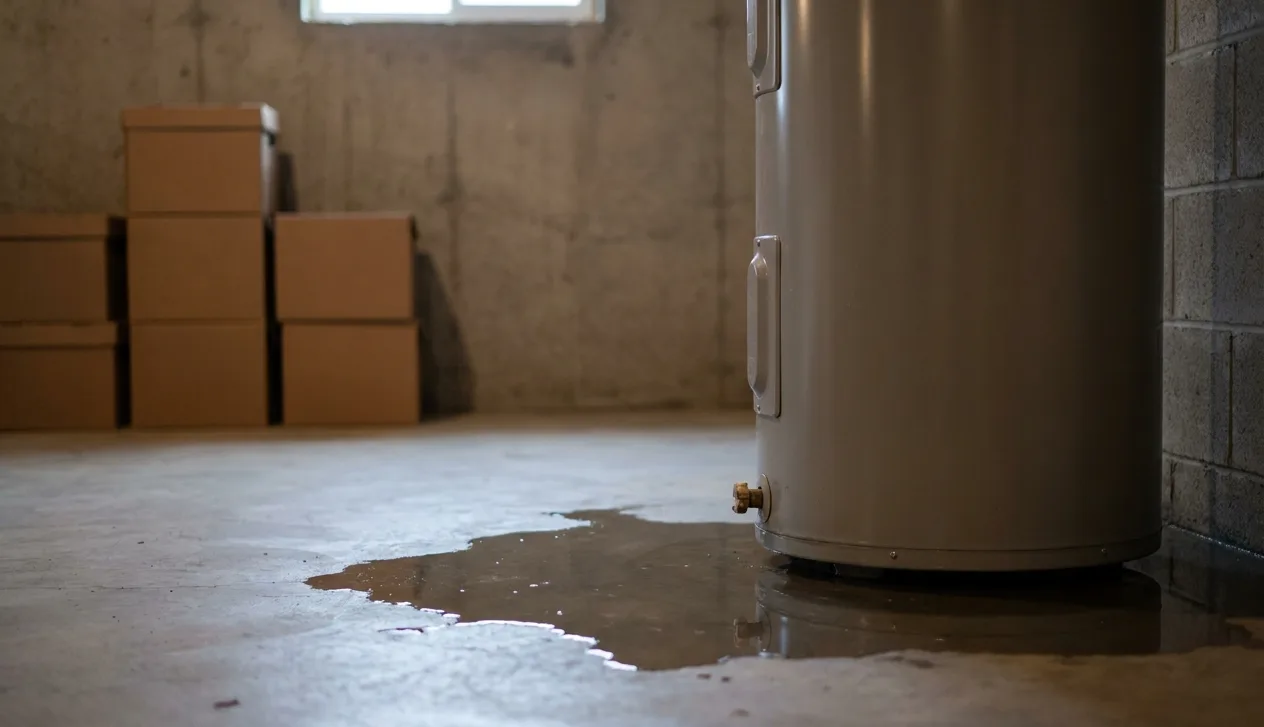
Hi, it’s Mike from Lakeside Plumbing. I missed your call. If water is actively leaking, shut off the main valve and reply URGENT and I’ll call you right back. Otherwise, tell me what’s going on and I’ll get back to you shortly.
After hours
Thanks for calling Summit Roofing. We’re closed for the evening but we’ll call you first thing tomorrow. Reply with your address and a quick description and we’ll come prepared.
Setting it up properly
- Choose the ring time carefully. Too short and customers get a text while you are reaching for the phone; too long and they have already hung up. Four or five rings is a common starting point.
- Different messages for business hours and after hours. An evening caller needs to know when to expect you, not that you are “with a customer.”
- Do not text back numbers you have blocked or spam calls. Most systems let you exclude known numbers.
- Make sure someone owns the inbox. An instant text followed by hours of silence does more harm than no text at all.
Missed-call text back is one of five core automations in our guide on how to configure a CRM, alongside web-form replies, estimate follow-up, review requests and seasonal reminders.
Keeping it compliant
Texting someone who has just called you is generally treated differently from sending marketing messages to a list, but business texting still has rules. In the United States, carriers require business text messaging from application-based numbers to be registered (commonly known as A2P 10DLC registration), and unregistered traffic may be filtered or blocked. Your CRM provider should walk you through it. Keep missed-call texts about the call itself, honour opt-out replies such as STOP, and check the rules that apply where you operate before sending any promotional messages.
Closing the loop after the job
The same text thread that started with a missed call is also the best place to finish. Once the work is done, a short thank-you with a link to your review page lands in a conversation the customer already recognises. Our guide on getting more Google reviews with your CRM covers the timing and wording.
Frequently asked questions
Does missed-call text back work with my personal cell phone number?
Usually not directly. The system needs to see the call, which means using a business number provided by or connected to your CRM. Many contractors forward their existing business number to it so customers see no change.
Will customers find it annoying?
Most customers appreciate knowing their call was received. Keep it to a single message, make it sound human, and never follow it with automated marketing they did not ask for.
What if the caller was a supplier or a spam call?
Exclude known numbers such as suppliers, and keep the message neutral enough that it does no harm if it reaches someone who was not a customer.